
Solitaire is one of the most popular card games in the world, enjoyed by millions of people on computers, mobile devices, and traditional playing cards. While many people play Solitaire for relaxation and entertainment, the game also involves skills such as attention, memory, logical thinking, and decision-making. This raises an interesting question: Can Solitaire help improve memory and concentration?
Solitaire requires players to remember card positions, identify patterns, plan moves, and pay attention to changing situations. These activities engage several mental processes, making the game an enjoyable way to practice focused thinking.
However, playing Solitaire should not be considered a guaranteed way to improve memory or prevent cognitive decline. Its benefits depend on factors such as the type of game, how it is played, and the individual's overall lifestyle.
In this article, we will explore how Solitaire engages memory and concentration, which skills players use during a game, and how to make each session more mentally engaging.
How Does Solitaire Work?
Solitaire is a category of card games designed primarily for one player. Different variations have different rules, but most require players to organize cards, follow specific sequences, and complete a particular objective.
Popular versions include:
- Klondike Solitaire: The classic version in which players build foundation piles from Ace to King.
- Spider Solitaire: A more complex variation that focuses on creating descending sequences of cards in the same suit.
- FreeCell: A strategy-based game in which almost all cards are visible from the beginning.
- Pyramid Solitaire: A card-matching game in which players remove pairs that add up to 13.
- TriPeaks Solitaire: A fast-paced variation that involves removing cards one rank higher or lower than the current card.
Each version requires a slightly different combination of attention, planning, and problem-solving.
For example, FreeCell encourages players to plan several moves ahead, while Spider Solitaire requires them to manage sequences and remember which cards are still available.
Can Solitaire Improve Memory?
Solitaire engages memory because players need to keep track of information while deciding which cards to move. However, it is important to distinguish between exercising memory during a game and producing lasting improvements in everyday memory.
1. Practicing Short-Term Memory
Short-term memory allows people to hold information in mind for a brief period. During a Solitaire game, players may need to remember which cards have been revealed, which moves they have already considered, and which cards they need to access next.
For example, when playing Klondike Solitaire, you might remember that a particular card is available in the stock or waste pile and plan your next moves around that information.
Repeatedly engaging with these tasks gives you opportunities to practice holding and using information while playing.
2. Using Working Memory
Working memory is the ability to temporarily hold information and manipulate it while completing a task.
Solitaire frequently engages working memory because players must consider several possibilities at once.
You may need to remember:
- Which cards are available for movement.
- Which sequences can be created.
- Which cards are blocking important moves.
- Where a useful card was previously revealed.
- What could happen after your next move.
In FreeCell, for example, moving one card may affect several other possible moves. Keeping these possibilities in mind requires active mental effort.
Although Solitaire engages working memory, research is still needed to determine how much playing the game improves working memory outside the game itself.
3. Encouraging Visual Memory
Visual memory involves remembering information about what we see, including shapes, positions, and visual arrangements.
Solitaire players regularly observe card layouts and may remember where particular cards are located.
In Spider Solitaire, remembering the position of important cards can help players organize sequences more effectively. In Klondike, remembering previously revealed cards can help inform future decisions.
These activities make visual information an important part of gameplay.
4. Supporting Memory Through Repeated Practice
As players become familiar with a particular Solitaire variation, they often recognize common card patterns and remember familiar strategies.
For example, an experienced FreeCell player may quickly identify useful sequences that a beginner would overlook.
This improvement can reflect learning and familiarity with the game. However, becoming better at Solitaire does not necessarily mean that all aspects of memory will improve equally.
The strongest conclusion is that Solitaire provides opportunities to practice memory-related skills in a structured and enjoyable setting.
Can Solitaire Help Improve Concentration?
Concentration is the ability to direct attention toward a task while limiting distractions. Solitaire naturally encourages focused attention because players must observe the board, evaluate available moves, and monitor the consequences of their decisions.
1. Encouraging Sustained Attention
Sustained attention means remaining focused on an activity over a period of time.
A Solitaire game requires players to pay attention to the card layout and continue making decisions until they complete the objective or decide to stop.
When players become interested in solving a challenging board, they may spend an extended period examining possible moves.
Regularly setting aside time for an activity that requires attention can provide opportunities to practice staying focused.
2. Improving Attention to Detail
Small details can determine whether a Solitaire move is useful.
Players must notice card ranks, suit colors, available spaces, and the order of sequences.
For example, in Klondike Solitaire, placing a red card on another red card would normally be an invalid tableau move. In Spider Solitaire, mixing suits may create a sequence that is harder to move as a group.
Paying attention to these details helps players avoid mistakes and make more informed decisions.
3. Practicing Selective Attention
Selective attention is the ability to focus on relevant information while ignoring distractions.
A Solitaire board may contain many cards and several possible moves, but not all of them are equally important.
Players need to identify which cards deserve attention first. They might prioritize uncovering a hidden card, creating an empty column, or moving a useful card to the foundation.
This process involves selecting the information that matters most to the current objective.
4. Learning to Maintain Focus During Challenges
Some Solitaire games become difficult when several useful cards are blocked or when the available moves are limited.
Players may need to examine the board carefully instead of choosing the first move they notice.
This can encourage a more deliberate approach to problem-solving.
However, Solitaire is not a substitute for professional treatment if someone experiences persistent problems with attention or concentration.
Other Mental Skills Solitaire May Engage
Memory and concentration are not the only abilities involved in Solitaire. Depending on the variation and the way it is played, the game can also engage several other cognitive skills.
Logical Thinking
Players must follow rules and understand how different moves affect the board.
FreeCell is particularly suitable for practicing logical reasoning because most cards are visible and many decisions depend on the order in which moves are made.
Problem-Solving
Solitaire often presents players with a problem that requires several steps to solve.
A blocked card may need to be moved indirectly, or a sequence may need to be rearranged before a useful move becomes possible.
Players learn to examine the current position, consider alternatives, and select a reasonable next step.
Planning and Decision-Making
Many Solitaire games reward players who think ahead.
Instead of making a move simply because it is available, players can consider how that move will affect future options.
This is especially important in Spider Solitaire and FreeCell, where poor decisions can reduce the number of available moves.
Pattern Recognition
Experienced players often become familiar with common card arrangements and strategic patterns.
Recognizing these patterns can help them identify opportunities more quickly and avoid unnecessary moves.
This type of learning is closely related to developing expertise in a particular game.
How to Use Solitaire to Practice Memory and Concentration
If you enjoy Solitaire and want to make your sessions more mentally engaging, a few simple habits can help.
1. Play Without Rushing
Avoid making moves as quickly as possible. Take a moment to examine the board and consider the consequences of each important decision.
Slowing down can help you pay closer attention to the details of the game.
2. Try to Remember Card Positions
When playing a version with hidden cards or a stock pile, pay attention to cards you have already seen.
Before checking the same area again, try to recall which cards might be available.
This adds a deliberate memory challenge to your usual gameplay.
3. Plan Two or Three Moves Ahead
Instead of focusing only on your next move, consider what you might do afterward.
Ask yourself:
- Which card will become available?
- Will this move block another card?
- Can I create an empty column?
- Will I have enough space for the next sequence?
This approach encourages active thinking throughout the game.
4. Choose Different Solitaire Variations
Playing different versions can introduce new rules and challenges.
For example, switch between Klondike, FreeCell, and Spider Solitaire rather than repeating exactly the same game every time.
Variety can help keep the activity interesting and expose you to different kinds of decisions.
5. Set a Reasonable Playing Time
Short, enjoyable sessions can make Solitaire easier to fit into a daily routine.
You might begin with 10–15 minutes and adjust the duration according to your schedule and preferences.
There is no established ideal amount of Solitaire play for improving memory or concentration. The goal should be to enjoy the activity without allowing it to interfere with sleep, work, exercise, or social interaction.
6. Review Your Decisions
After finishing a game, think about a move that worked well or a mistake that made the board harder.
For example, you might realize that moving a card too early blocked a useful sequence.
Reviewing your choices helps you learn the game's strategies and may make future sessions more mentally engaging.
7. Reduce Distractions
If your goal is to practice sustained attention, consider playing in a quiet environment.
Turn off unnecessary notifications and avoid switching between multiple activities while playing.
This makes it easier to focus on the card layout and your decisions.
Does Playing Solitaire Prevent Memory Loss?
Solitaire can engage memory and attention during gameplay, but there is not enough evidence to conclude that playing Solitaire alone prevents dementia, Alzheimer's disease, or age-related cognitive decline.
Enjoyable mentally stimulating activities may be part of a broader healthy lifestyle, but no single card game can guarantee protection against cognitive problems.
For general brain health, it is sensible to combine mentally engaging hobbies with regular physical activity, sufficient sleep, social interaction, and a balanced diet.
Anyone experiencing persistent or worsening memory difficulties should seek advice from a qualified healthcare professional rather than relying on games as a treatment.
Is Online Solitaire as Beneficial as Playing With Physical Cards?
Both digital and physical Solitaire can involve attention, memory, and decision-making.
Online Solitaire offers convenient features such as automatic card movement, hints, undo buttons, and score tracking. These features can make games more accessible and enjoyable.
Physical cards provide a different experience because players must handle and arrange the cards themselves.
Neither format has been established as universally superior for improving memory or concentration. The most suitable option is the one you enjoy and can play comfortably.
Can Solitaire Help Older Adults Stay Mentally Active?
Solitaire can be an enjoyable activity for older adults who like card games and want to keep their minds engaged.
The familiar rules of classic Solitaire make it accessible to many people, while variations such as FreeCell provide additional strategic challenges.
Playing can offer a structured activity during leisure time and may provide a sense of enjoyment and accomplishment.
However, Solitaire should be viewed as one possible recreational activity rather than a proven method for preventing cognitive decline. Older adults can also benefit from social activities, physical movement, learning new skills, and other hobbies that match their interests and abilities.
Common Mistakes to Avoid When Playing Solitaire
If you want to make Solitaire more mentally engaging, avoid relying entirely on automatic moves or playing without paying attention to the board.
Common mistakes include:
- Moving cards too quickly: You may overlook a better option.
- Ignoring card positions: You may miss useful information from previously revealed cards.
- Repeating the same strategy without reflection: You may fail to learn from mistakes.
- Playing while distracted: Constant interruptions can make it harder to focus on the game.
- Focusing only on winning: The process of planning and solving the board can be enjoyable even when you do not win.
- Playing for too long without breaks: Extended screen time can become tiring and interfere with other activities.
Remember that Solitaire is meant to be enjoyable. You do not need to turn every game into a test of your mental abilities.
Frequently Asked Questions About Solitaire and Brain Health
Can Solitaire improve memory?
Solitaire engages memory by asking players to remember card positions, available moves, and sequences. However, evidence is limited on whether these benefits reliably transfer to everyday memory.
Does Solitaire help with concentration?
Solitaire requires players to focus on card layouts, identify patterns, and consider possible moves. It can provide an opportunity to practice sustained attention, although lasting improvements in concentration are not guaranteed.
How long should I play Solitaire each day?
There is no scientifically established daily duration for improving memory or concentration through Solitaire. Short sessions of around 10–15 minutes can be a convenient starting point if you enjoy the game.
Which Solitaire game is best for the brain?
No single Solitaire variation has been proven to be the best for overall brain health. FreeCell emphasizes planning, Spider Solitaire involves complex sequences, and Klondike provides a familiar combination of attention and strategy.
Can Solitaire prevent dementia?
There is insufficient evidence that Solitaire alone prevents dementia or Alzheimer's disease. It can be part of an enjoyable, mentally stimulating lifestyle, but it should not be considered a medical treatment or preventive guarantee.
Is Solitaire good for older adults?
Solitaire can provide enjoyable mental engagement and a structured leisure activity for older adults. It is best combined with other activities, including exercise, social interaction, and learning new skills.
Is online Solitaire good for mental exercise?
Online Solitaire can engage attention, memory, and decision-making just like physical card-based versions. Digital features may make the game more convenient, but they do not guarantee greater cognitive benefits.
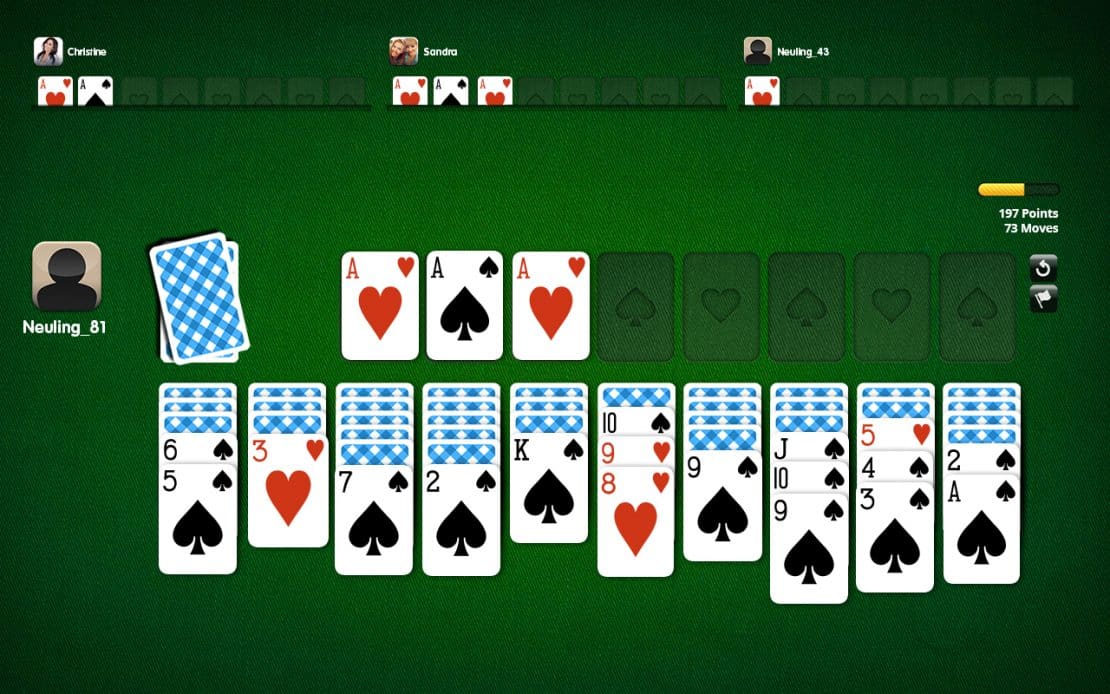
Can Solitaire help improve memory and concentration? Solitaire can engage several mental skills, including working memory, visual attention, logical thinking, pattern recognition, and planning. During a game, players need to remember card positions, evaluate possible moves, and focus on solving the board.
However, playing Solitaire should not be treated as a guaranteed way to improve everyday memory, increase concentration permanently, or prevent cognitive decline. Its clearest benefit is that it offers an enjoyable activity involving attention and strategic thinking.
To get the most out of your games, play thoughtfully, explore different Solitaire variations, review your decisions, and take breaks when needed. Whether you prefer classic Klondike, challenging Spider Solitaire, or strategic FreeCell, Solitaire can be a fun way to spend your free time while keeping your mind engaged.