
Solitaire has been a favorite card game for generations. What started as a simple game played with a physical deck of cards has evolved into a huge collection of digital Solitaire games available on computers, tablets, and smartphones.
While Classic Solitaire focuses on traditional rules and straightforward gameplay, Modern Solitaire often adds new features, designs, challenges, and gameplay options.
So, what is the difference between Classic Solitaire and Modern Solitaire? This guide compares the two and explains which version may be better for different types of players.
What Is Classic Solitaire?
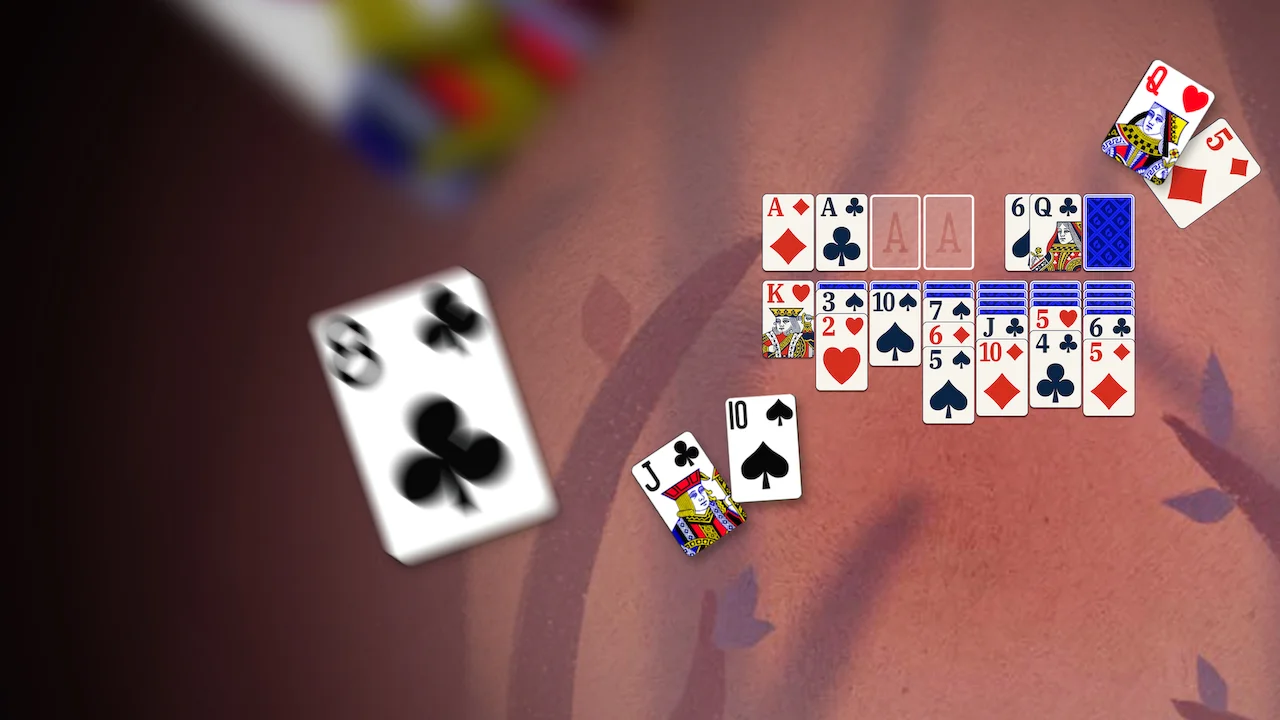
Classic Solitaire generally refers to traditional versions of Solitaire that follow familiar rules and gameplay mechanics.
The most popular example is Klondike Solitaire, which is often simply called Solitaire.
Classic Klondike Solitaire uses a standard 52-card deck. The objective is to move all cards to four foundation piles, organizing each suit from Ace to King.
The game traditionally involves:
- Seven tableau columns
- Four foundation piles
- A stock pile
- A waste pile
- Red and black alternating sequences
- Descending tableau order
- Foundation piles built from Ace to King
Classic Solitaire is simple, familiar, and focused primarily on strategy.
What Is Modern Solitaire?
Modern Solitaire refers to newer digital versions that build upon traditional Solitaire mechanics.
Modern games may still use familiar card rules, but they often introduce additional features designed to make gameplay more engaging.
These can include:
- Multiple Solitaire variations
- Daily challenges
- Achievements
- Leaderboards
- Statistics
- Custom card designs
- Animated effects
- Themes and backgrounds
- Hint systems
- Undo functions
- Different difficulty levels
- Special challenges
Modern Solitaire is often designed specifically for digital devices and casual gaming audiences.
1. Gameplay and Rules
The biggest difference between Classic and Modern Solitaire is often the complexity of the gameplay.
Classic Solitaire
Classic Solitaire focuses on established rules. Players arrange cards, reveal hidden cards, manage the stock, and build the foundation piles.
There are usually no additional objectives.
Modern Solitaire
Modern versions may introduce alternative rules, special cards, timed challenges, or completely different Solitaire variations.
For example, a modern Solitaire platform may include Klondike, Spider, FreeCell, Pyramid, and TriPeaks in one place.
This gives players more variety but may make the experience less traditional.
2. Graphics and Design
Classic Solitaire is known for its simple appearance.
A traditional physical deck requires only four suits and standard card symbols. Even early digital versions typically used straightforward graphics.
Modern Solitaire games often place much more emphasis on visual design.
Players may be able to choose:
- Card backs
- Background images
- Table designs
- Animations
- Themes
- Sound effects
These features can make the game feel more personalized and visually engaging.
3. Features and Convenience
Modern Solitaire has an important advantage when it comes to convenience.
Digital games can automatically handle many tasks that players previously had to manage manually.
For example, online Solitaire may automatically:
- Deal the cards
- Track your score
- Count your moves
- Detect legal moves
- Move cards to foundations
- Save game progress
- Provide hints
Classic Solitaire generally relies more heavily on the player to manage the game manually.
4. Undo and Hint Features
One of the biggest differences for beginners is the availability of Undo and Hint buttons.
Traditional Solitaire does not normally provide these features. Once you make a move with physical cards, you must manually reverse it.
Modern digital Solitaire games often let you undo one or several previous moves.
Some games also provide hints that suggest possible moves.
These tools make modern Solitaire more accessible to beginners and allow players to experiment with different strategies.
5. Difficulty Levels
Classic Solitaire generally provides a consistent level of challenge based on the rules and card arrangement.
Modern Solitaire can offer several difficulty settings.
For example, a game may include:
- Easy mode
- Normal mode
- Hard mode
- Expert challenges
- Timed games
- Limited-move challenges
This allows players to choose an experience that matches their skill level.
6. Daily Challenges and Rewards
Daily challenges are a common feature of modern Solitaire platforms.
Players may receive a specific deal or objective each day. Completing it can provide:
- Points
- Badges
- Achievements
- Streaks
- Virtual rewards
Classic Solitaire does not traditionally include these progression systems.
The addition of daily challenges gives modern games a reason for players to return regularly.
7. Statistics and Performance Tracking
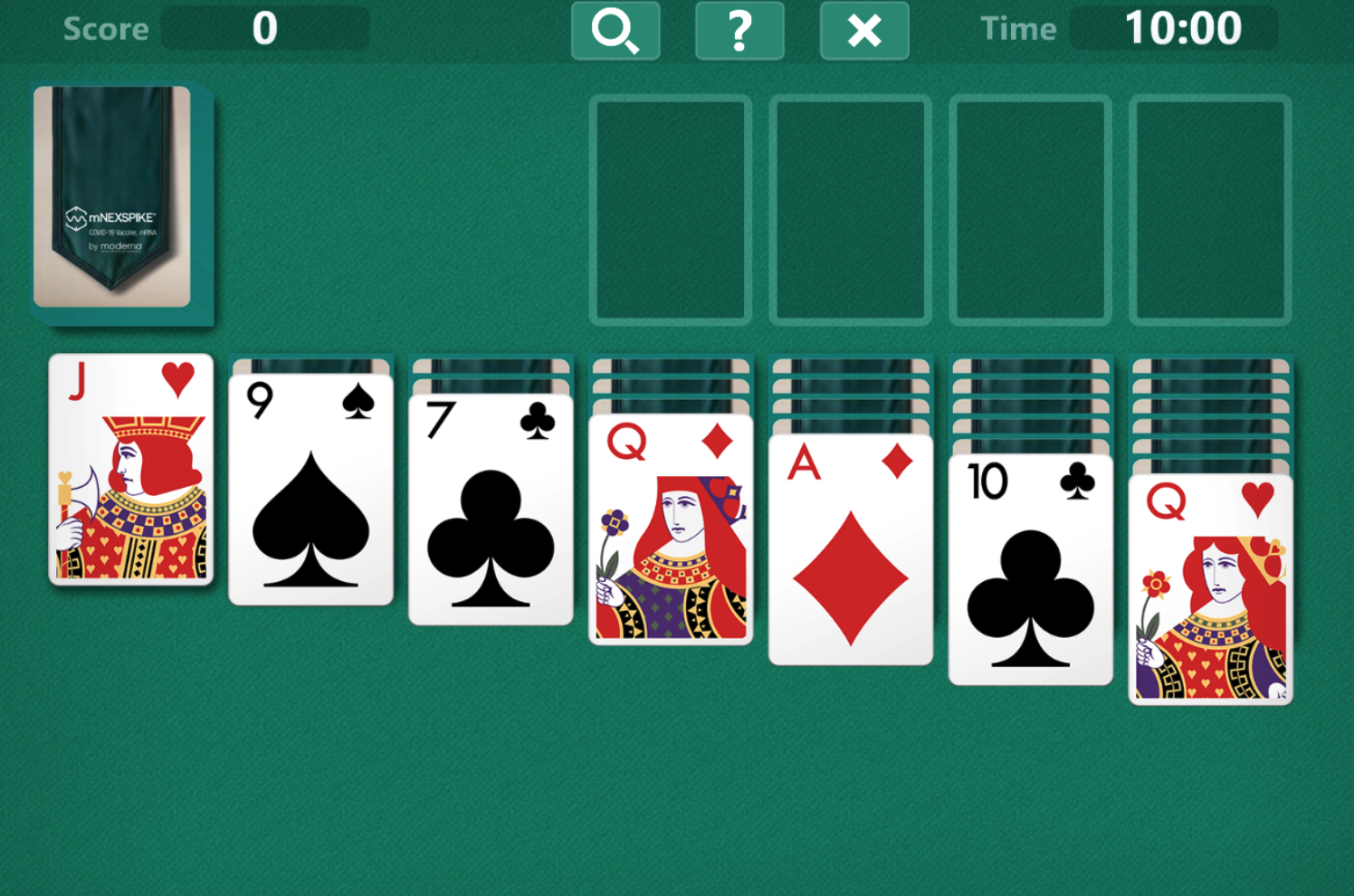
Modern Solitaire can automatically track your gameplay statistics.
Depending on the platform, you may be able to see:
- Number of games played
- Number of games won
- Win percentage
- Average playing time
- Number of moves
- Best scores
- Current winning streak
These statistics can help competitive players measure their improvement.
With physical cards, players would need to record this information themselves.
8. Solitaire Variations
Classic Solitaire is often associated with Klondike, but there are actually many traditional Solitaire variations.
Modern digital platforms make it easier to access multiple versions in one place.
Popular Solitaire games include:
Klondike Solitaire
The classic version with seven tableau columns and four foundation piles.
Spider Solitaire
Usually played with two decks and focused on building complete descending sequences.
FreeCell
Most cards are visible from the beginning, making strategic planning particularly important.
Pyramid Solitaire
Players remove pairs of cards that add up to 13.
TriPeaks Solitaire
Players remove cards that are one value higher or lower than the current card.
Modern platforms can offer all of these variations, giving players much more choice.
9. Playing Solitaire on Different Devices
Classic Solitaire traditionally requires a physical deck and a suitable playing surface.
Modern Solitaire can be played almost anywhere.
Depending on the game, you can play on desktop computers, laptops, smartphones and tablets.
Responsive design also allows many modern Solitaire websites to automatically adjust to different screen sizes.
10. Social and Competitive Features
Classic Solitaire is primarily a solo experience.
Modern digital versions sometimes introduce competitive features such as:
- Global leaderboards
- Personal rankings
- Online tournaments
- Friends' scores
- Multiplayer modes
- Achievement systems
These features can make Solitaire feel more like a modern casual game rather than a traditional card game.
Advantages of Classic Solitaire
Classic Solitaire continues to attract players for several reasons.
Simple Rules
There are few distractions or additional mechanics.
Traditional Experience
Players who enjoy traditional card games may prefer the familiar format.
No Need for Technology
A physical deck of cards is all you need.
Relaxing Gameplay
Classic Solitaire offers a straightforward experience without notifications, rewards, or competitive features.
Advantages of Modern Solitaire
Modern Solitaire has its own strengths.
More Variety
Players can choose from numerous Solitaire variations.
Convenient Features
Undo, hints, automatic scoring, and other digital tools make gameplay easier.
Customization
Themes, card designs, backgrounds, and animations allow players to personalize their experience.
Easy Access
You can play modern Solitaire on many devices without carrying a physical deck.
Extra Challenges
Daily challenges, achievements, and statistics give experienced players additional goals.
Which Solitaire Version Is Better?
There is no single answer because it depends on what you want from the game.
Choose Classic Solitaire if you prefer:
- Traditional card games
- Simple rules
- Minimal distractions
- A nostalgic experience
- Playing with physical cards
Choose Modern Solitaire if you prefer:
- Digital gameplay
- Multiple game modes
- Custom themes
- Hints and undo options
- Daily challenges
- Statistics and achievements
- Playing on mobile devices
For many players, the best option is to enjoy both. Classic Solitaire provides the original experience, while modern versions offer convenience and additional entertainment.
Is Modern Solitaire Still the Same Game?
In many cases, yes.
Modern Solitaire is usually built around the same fundamental concepts as traditional Solitaire. The biggest changes are often related to presentation, convenience, customization, and additional features.
For example, a digital Klondike game may follow essentially the same rules as the physical version while adding an Undo button, automatic card movement, and statistics.
Therefore, modern Solitaire can be viewed as an evolution of the traditional game rather than a completely different type of entertainment.
The difference between Classic Solitaire and Modern Solitaire is mainly about the way the game is presented and the features available around the traditional card-game mechanics.
Classic Solitaire offers simplicity, nostalgia, and familiar rules. Modern Solitaire takes those foundations and adds digital convenience, customization, statistics, challenges, and multiple ways to play.
Whether you prefer the traditional experience or the latest digital features, Solitaire remains a timeless game that is easy to learn and enjoyable to play. The best version is ultimately the one that matches your personal playing style.