
FreeCell is a classic solitaire card game that looks simple but requires careful planning, logical thinking, and good decision-making. Unlike many solitaire games, most FreeCell deals can be solved if you understand the rules and make the right moves.
Whether you are a beginner or already enjoy playing FreeCell regularly, improving your strategy can help you avoid mistakes and win more games. Here are some practical tips to help you make better moves and develop stronger FreeCell skills.
Understand the Basic Rules of FreeCell
Before focusing on advanced strategies, make sure you understand how FreeCell works. The cards are arranged in eight tableau columns, while four free cells and four foundation piles provide additional spaces for managing cards.
The main objective is to move all cards to the foundation piles in ascending order, from Ace to King, while following the appropriate suit.
Unlike traditional Solitaire, almost every card in FreeCell is visible from the beginning. This means your success depends less on luck and more on planning.
Plan Your Moves Before Moving Cards
One of the most important FreeCell skills is learning to think ahead.
Avoid moving a card simply because it is available. Before making a move, consider how it will affect the cards underneath it and whether it will create useful spaces.
Ask yourself:
- What card will become available after this move?
- Will this move block an important card?
- Can I create an empty tableau column?
- Which free cell should I use?
- Does this move help me build a foundation?
Thinking several moves ahead can prevent situations where you run out of useful options later in the game.
Keep Free Cells Available
The four free cells are extremely useful, but they should not be filled unnecessarily.
A common beginner mistake is placing cards into free cells too early. Once all four spaces are occupied, your ability to move cards becomes much more limited.
Try to use free cells temporarily and clear them as soon as possible. Keeping at least one or two spaces available can give you much more flexibility.

Create Empty Tableau Columns
An empty tableau column is one of the most valuable resources in FreeCell.
Once a column is empty, you can use it to temporarily store a card or reorganize sequences. Empty columns also make it easier to move groups of cards and expose hidden opportunities.
Whenever possible, look for ways to clear a column without creating new problems elsewhere.
Move Aces and Low Cards to the Foundation
Aces are usually important because they begin the foundation piles. Moving an Ace to the foundation can open up the tableau and simplify the game.
After playing an Ace, look for opportunities to move the corresponding 2, 3, 4, and other low cards to the foundation.
However, do not automatically move every card to the foundation as soon as possible. Sometimes a low card is still needed in the tableau to help build another sequence.
Think About Card Accessibility
Not every available move is equally valuable.
When choosing between several possible moves, prioritize moves that expose important cards or make difficult cards easier to access.
For example, moving a card that reveals an Ace or another low card can often be more useful than simply rearranging an existing sequence.
The goal is not just to move cards. The goal is to improve your future options.
Avoid Filling the Free Cells With High Cards
High cards such as Kings can be difficult to move once they are placed in free cells.
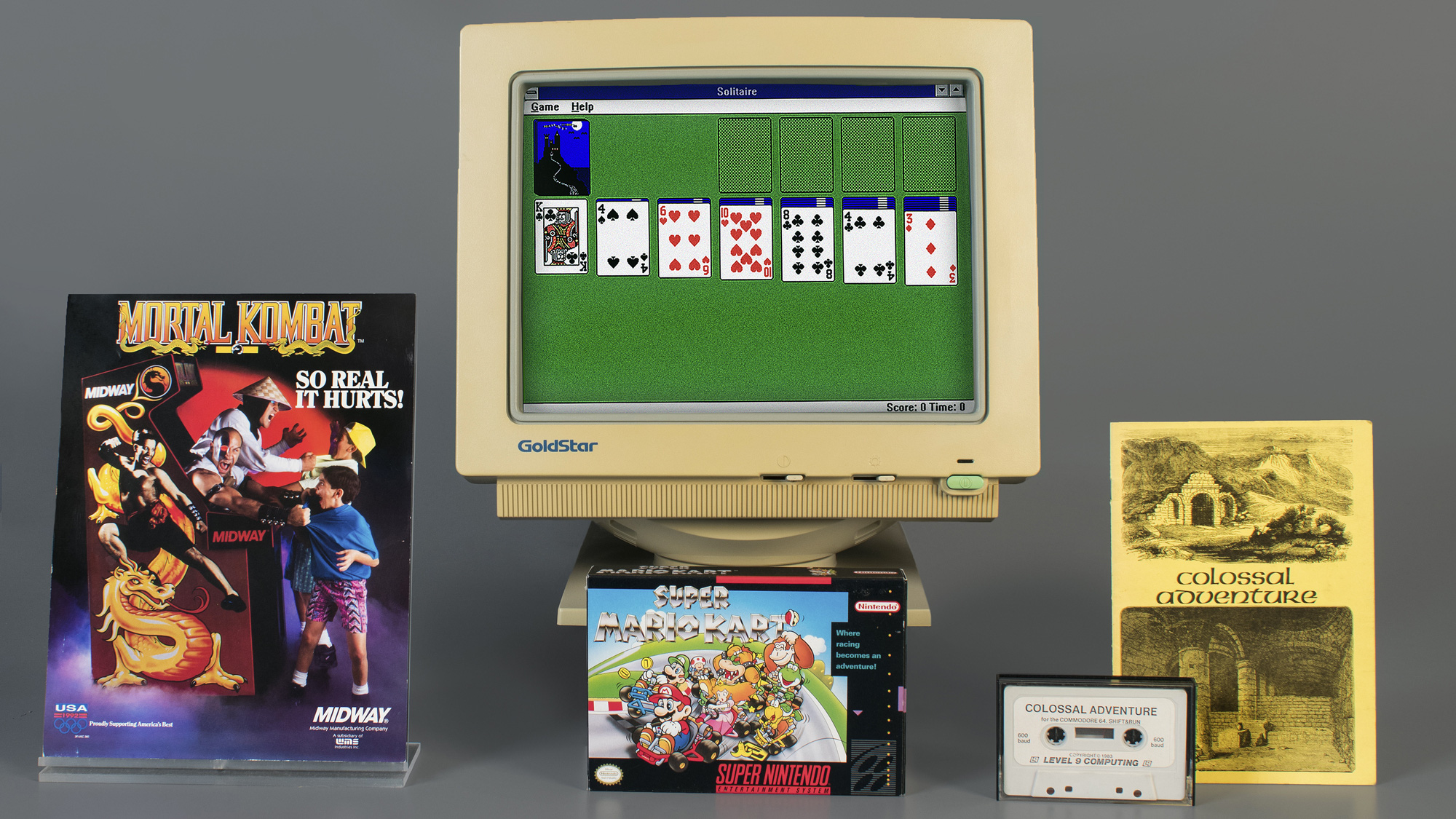
Before putting a King or another high card into a free cell, consider whether it can be placed somewhere more useful. If the card occupies a free cell for too long, it may reduce your ability to perform more important moves.
Use free cells strategically rather than treating them as permanent storage.
Build Long Sequences Carefully
FreeCell allows you to build descending sequences by alternating colors. Long sequences can be very useful because they allow multiple cards to be moved together.
However, building a long sequence is not always the best choice.
Before creating a large stack, check whether it will prevent you from accessing other cards. A shorter sequence that keeps more options open can sometimes be better than a long but restrictive stack.
Pay Attention to Kings
Kings deserve special attention because they cannot be placed on another card in the tableau.
If a King is blocking important cards, you may need an empty tableau column to move it.
When you have the opportunity to create an empty column, think about whether that space could be used to relocate a troublesome King and unlock more cards.
Avoid Unnecessary Moves
More moves do not necessarily mean better gameplay.
Moving cards back and forth without a clear purpose can consume valuable spaces and make the position more complicated.
Before every move, ask whether it:
- Exposes a useful card
- Creates or preserves an empty space
- Frees a valuable cell
- Advances a foundation
- Improves your future options
If a move does none of these things, it may be better to wait.
Learn From Losing Games
Losing a FreeCell game can be an excellent learning opportunity.
Instead of immediately starting another game, think about where your position became difficult. Did you fill all the free cells too quickly? Did you block a useful card? Did you move an important sequence too early?
Identifying these mistakes will help you recognize similar situations in future games.
Practice Thinking Several Moves Ahead
Strong FreeCell players do not only consider their next move. They consider how that move affects the following moves.
Try practicing short sequences:
- Identify a possible move.
- Predict what cards it will expose.
- Consider how you will use the newly available card.
- Check whether your free cells remain flexible.
- Then make the move.
With practice, this process becomes faster and more natural.
Develop a Consistent FreeCell Strategy
Improving at FreeCell is easier when you develop a consistent approach. A useful strategy is to begin by examining the entire tableau, identifying Aces and low cards, locating blocked cards, and looking for opportunities to create an empty column.
From there, focus on keeping free cells open while gradually building useful sequences and moving cards toward the foundations.
The best strategy can change from one deal to another, so flexibility is just as important as planning.
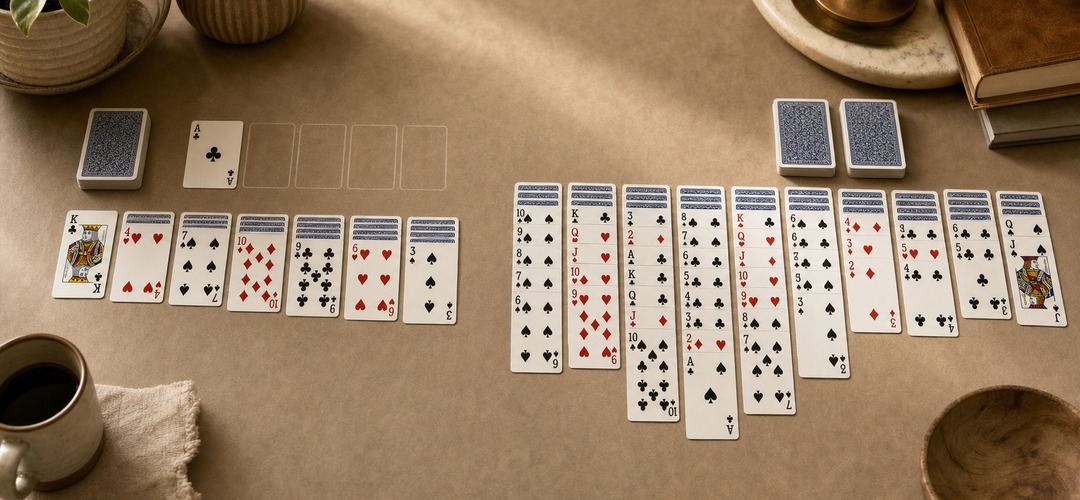
Improving your FreeCell card game skills is mainly about making thoughtful decisions rather than moving cards as quickly as possible. Keep your free cells available, create empty tableau columns, protect your important cards, and always consider how a move will affect your next few options.
With regular practice and careful analysis of your mistakes, you can become more confident at FreeCell and make smarter moves in every game.